Clinical Consultation

Listening for Legacy helps mental health professionals use self-investigation, relational awareness, and a liberatory lens as critical tools for healing.
The aim is to offer depth-oriented support to those providing and supervising direct care and, therefore, most impacted when working with compounded trauma.
-
Mental health clinicians often begin their work with individuals most marginalized and violated by systemic neglect and betrayal. We can unconsciously act in allegiance to oppressive beliefs — unattuned to our privileges and their impact. As well, we may feel similar pain and grief as the people we serve, due to early childhood ruptures and social injustices we have experienced.
As critical to investigate, the complex matrix constructed to fund mental health services can create limitations and binds for providers and recipients of care. The pressure to front-load interventions and short-term solutions can feel delusional when we recognize the legacy of compounded trauma present for our clients. Working within systems of care can evoke painful feelings of inadequacy, isolation, anger, and shame that trigger our personal trauma.
Tracking this layered intersection of wounds requires profound attunement and perspective. Having the use of another’s mind to reflect and hold what could dynamically be at play in depth-oriented work is vital for the psychological well-being of all involved. Clinical consultation can help you explore what’s getting stirred inside and how to mindfully use this information when supporting others.
-
People providing supervision often do not have coveted time and space to explore triggers, think through complex or charged dynamics, and practice internal resourcing.
Together, we can enhance your ability to attune to the vitality of present-based communication as expression of past wounding and needs, listening for the multiple parallel processes at play. Interwoven into these explorations is our examination of the impact of identity and positionality dynamics in the supervisor-supervisee relationship, as a reflective and relational practice. This type of unearthing and skill building generates a deeper level of creativity and vulnerability with supervisees — rippling into their work with the people they serve.
In a consultative relationship, you also have space to grapple with the complexities that rise up when serving as a leader in various systems (e.g., mental health agencies, schools districts, social service organizations) where decision-making processes and patterns of relating may at times feel in contrast to your values. Slowing down to feel out internal binds, locate your truth, and identify ways to amplify marginalized voices can support inner resourcing as well as outward, action-oriented steps.
Individual and Small Group Formats Available
Listening for Legacy provides clinical consultation that helps you deepen your practice in the following ways:

Expand Your Use of Self
Become more comfortable tuning into and consciously using the emotions and sensations that rise up in sessions.
Experience the therapeutic relationship as a place to better understand the reenactment of hurt and potential for freedom.
Strengthen your capacity for dual awareness: become conscious of your charged responses as survival responses in the present moment.

Listen for Unconscious Messaging
Attune to behaviors and themes expressed within play, to help children identify underlying wounds, attachment-based needs, and rituals that reinforce healing.
Increase your capacity to listen for unconscious messaging generationally transmitted from caregiver to child.
Enhance your ability to discern when a relational dynamic (e.g., therapeutic, collegial, supervisory) is triggering old wounds and how to attend to your activated parts.
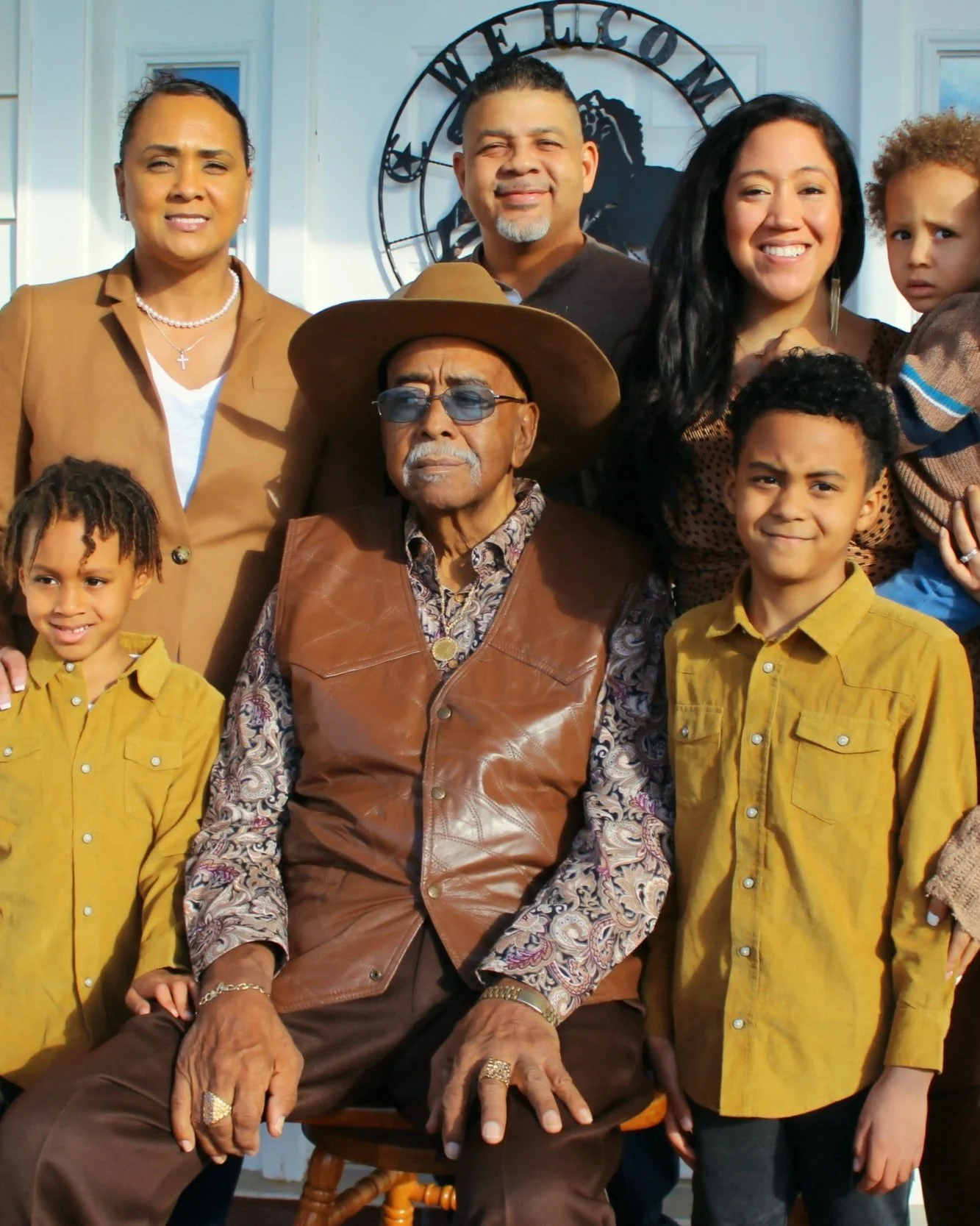
See the Whole Family
Destigmatize enactments of intergenerational trauma by supporting caregivers in tending to unresolved wounds.
Strengthen your ability to listen for ancestral wisdom and shame, communicated through those living as well as those who have passed.
Gain confidence in incorporating dyadic and family therapy, where process versus content is prioritized and paced.

Track Culture and Power in the Room
Observe and speak to the impact of intersectionality and historical trauma dynamics alive in the room.
Notice and affirm cultural practices and expressions that induce a sense of belonging and identity.
Heighten your attention to how privilege and power erase the knowledge of lived experience.